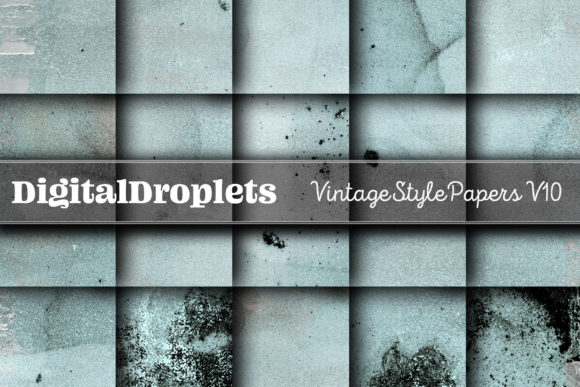
Vintage Style Papers Vol.10 | Collection: Texture for Authentic Design
Beyond Flat Digital: Understanding the Collection
In a world saturated with clean, digital perfection, there’s a growing hunger for authenticity, for designs that feel touched by time and human hands. The Vintage Style Papers Vol.10 | Collection answers this call directly. This isn't just a set of backgrounds; it's a curated toolkit of atmosphere. As a designer, I've found that the most impactful projects often start not with a font or a graphic, but with a foundational texture that sets the entire emotional tone. This 12×12 paper set of 10 unique sheets provides that crucial starting point.
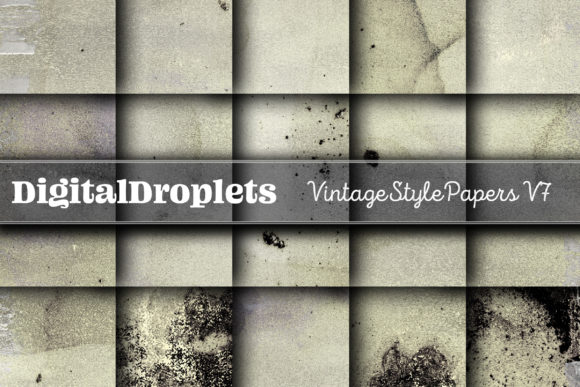
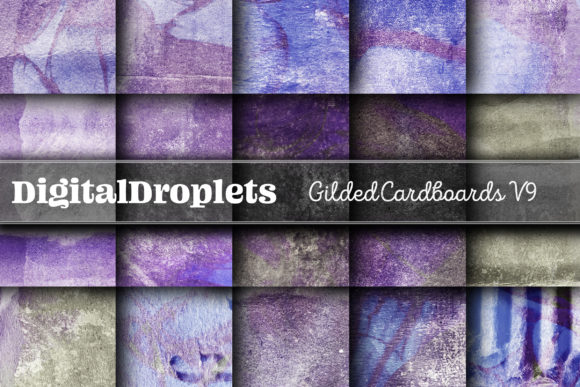
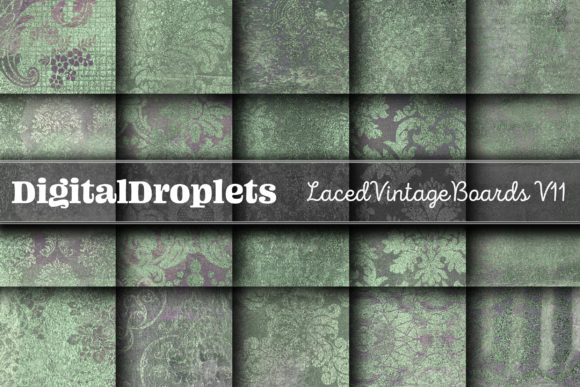
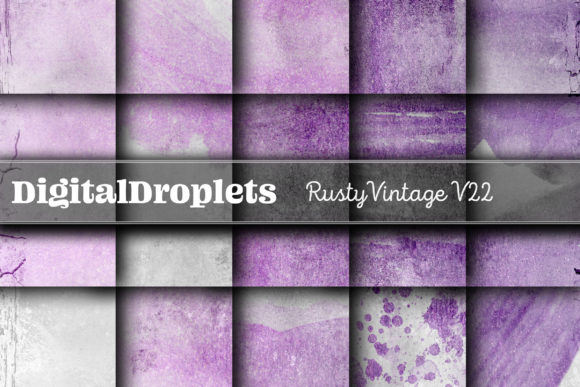
Each paper in the collection tells its own story. Imagine swirly watercolor washes that bleed softly into aged, grungy paper textures. These aren't sterile, uniform patterns. You'll find grungy imperfections—subtle stains, faint creases, and delicate speckles—scattered organically across the surface. Some sheets feature a hinted border, adding a layer of structure and vintage framing potential. The overall effect is one of handcrafted authenticity, making them ideal for projects where you want to evoke nostalgia, warmth, and a tangible, handmade quality. They serve as excellent design assets for anyone building a brand identity rooted in story and character.
Strategic Applications: Where This Texture Shines
The true value of a resource like the Vintage Style Papers Vol.10 | Collection lies in its versatility. These aren't one-trick backgrounds; they are foundational layers that can elevate a multitude of projects across print and digital media. Think of them as the "canvas" upon which other elements of your design can play. For scrapbookers and junk journal enthusiasts, they are perfect for creating rich, layered pages that feel personal and historic. For card makers, they provide instant character for birthday cards, invitations, or thank-you notes, eliminating the need for complex layering techniques.
For entrepreneurs and content creators, the applications are equally powerful. Use them as textured backgrounds for social media graphics to stand out in a feed of flat colors. Incorporate them into packaging design for a product line that emphasizes artisanal quality or heritage. In editorial design or web design, a subtle texture from this set can break the monotony of a large text block, guiding the eye and adding depth. They work exceptionally well for creating digital washi tape strips, shaped elements, tags, and custom envelopes, effectively becoming a versatile part of your design assets library. The high-resolution 300dpi files ensure they perform beautifully in both print and high-quality digital displays.
Integrating Texture with Typography and Brand
A common challenge in design is integrating textured backgrounds with type. The key is visual hierarchy and contrast. The Vintage Style Papers Vol.10 | Collection, with its varied and often busy surfaces, demands thoughtful typographic pairing. Avoid placing delicate script fonts or thin sans serif fonts directly over the most detailed areas of the texture, as readability will suffer. Instead, create a "quiet zone" using a solid or semi-transparent shape behind your text block. This preserves the texture's presence while ensuring your message remains clear and legible.
When choosing typefaces to complement these papers, consider fonts with their own personality. A sturdy serif font or a bold display font can stand up to the texture's character. For a cohesive brand identity that uses these papers, your type choices should echo the same vintage or artisanal feel. Test your font pairing directly on the paper samples before finalizing. How does the texture influence the overall tone? Does it make the design feel more approachable, historic, or sophisticated? This is the kind of practical evaluation that separates good design from great.
Remember, this set of 10 papers is part of a larger 20-paper collection, offering even more variation. I recommend starting with this set to explore its potential. Use the papers to create mock-ups for client presentations, to prototype your next product line's packaging, or to add a unique touch to your personal creative projects. By treating these textures as strategic design assets rather than mere decoration, you unlock their full potential to enhance readability, strengthen your brand's visual story, and create work that genuinely resonates with an audience seeking authenticity and depth.