Transforming Projects with Gilded Cardboards Vol. 4
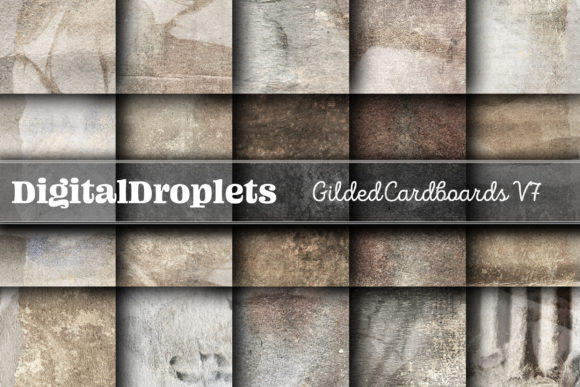
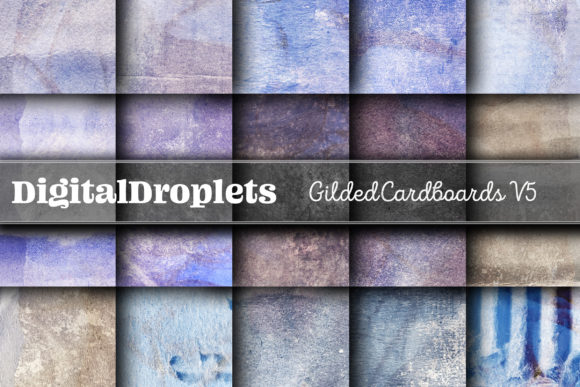
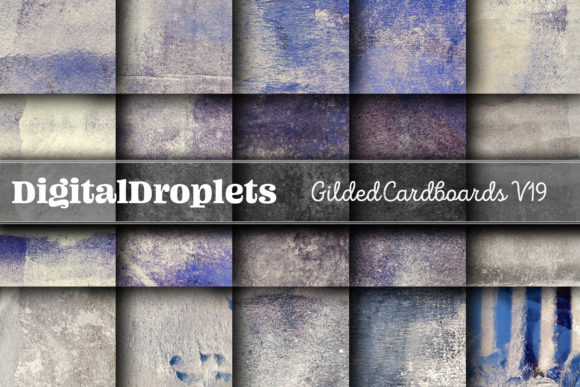
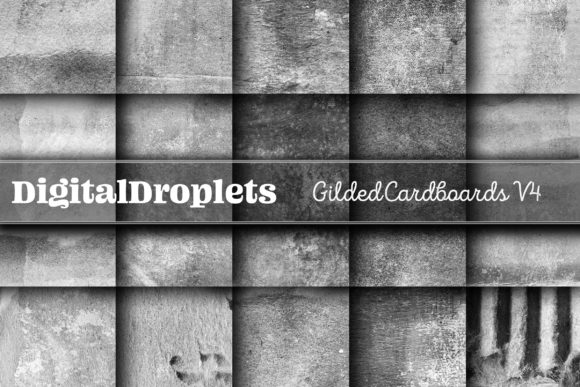
In the world of digital design, finding a background that offers both texture and history is often the hardest part of the creative process. We spend hours layering filters and blending modes to create something that doesn't look sterile or overly synthetic. This is exactly where the Gilded Cardboards Vol. 4 | Collection steps in to save your workflow. It isn't just a set of generic textures; it is a carefully curated anthology of visual storytelling. By blending authentic cardboard substrates with shabby, grungy overlays, this collection offers a "lived-in" aesthetic that feels warm, tactile, and deeply engaging.
What sets this specific volume apart is the unique character of the borders. Unlike standard digital papers that fade out or cut off abruptly, each of the ten included papers in the Gilded Cardboards Vol. 4 | Collection features a distinct, artistic border. This adds a layer of dimension and framing that is often difficult to achieve manually. For designers, this means less time wrestling with clipping masks and more time focusing on the actual layout. The visual personality here is decidedly vintage, leaning into the beauty of imperfection—worn edges, subtle ink stains, and the warm patina of aged paper. It speaks to a specific aesthetic that values authenticity over digital perfection.
The Intersection of Texture and Brand Identity
As a creative professional, you understand that texture communicates emotion. A glossy surface feels modern and corporate, while a rough, fibrous texture implies heritage, craftsmanship, and reliability. If you are working on a brand identity for a coffee roaster, a vintage clothing line, or an artisanal bakery, the Gilded Cardboards Vol. 4 collection provides an immediate visual shorthand. Using these backgrounds in your packaging design or social media graphics instantly grounds the brand, suggesting that the product inside is handmade and genuine.
However, the utility of this collection extends far beyond the obvious "vintage" projects. In modern editorial design and web design, contrast is a powerful tool. Imagine a clean, minimalist sans serif font laid over the gritty, complex surface of a Gilded Cardboard background. This juxtaposition creates a high-end, contemporary look often seen in lifestyle magazines and boutique hotel branding. The texture adds depth to the digital space, preventing the design from feeling flat or two-dimensional. It is a sophisticated way to use design assets to create a hierarchy that draws the eye exactly where you want it to go.
Practical Applications for Digital and Print
One of the most significant advantages of the Gilded Cardboards Vol. 4 | Collection is its versatility across mediums. Because the files are high-resolution JPEGs (12x12 at 300dpi), they are perfectly suited for print production. If you are a scrapbooker or a junk journal enthusiast, these papers serve as the ideal foundation for layering ephemera, photos, and die-cuts. The unique borders act as built-in frames, allowing you to simply drop a photo in the center and have a finished piece ready for an album.
For digital creators, specifically those involved in blog design or photography backdrops, these papers offer a tactile background for text overlays. They work exceptionally well for "quote cards" or promotional graphics where you need the text to stand out without looking like it’s floating in a void. Furthermore, the "shabby grungy" nature of the textures means they are forgiving. If you are creating planner stickers or washi tape strips digitally, the distressed edges blend seamlessly, hiding the imperfections that would be glaringly obvious on a solid color background.
Pairing Typography with Tactile Backgrounds
When working with a textured background as dominant as the Gilded Cardboards, your choice of typography becomes critical. You need a typeface that can hold its own against the visual noise of the paper without getting lost. A thin, delicate script font might disappear into the fibers of the cardboard, rendering your message unreadable. Instead, consider using a bold display font or a sturdy serif font. The weight of the letters will anchor the design, ensuring that the texture enhances the message rather than competing with it.
Here is a practical tip for evaluating fit: Zoom out on your screen. If you can read the headline clearly from a distance, the contrast is sufficient. If the text blends into the background, you may need to add a subtle drop shadow or a semi-transparent overlay to separate the creative font from the paper texture. The goal is to maintain readability while preserving the atmospheric quality of the collection.
Maximizing the Value of Your Design Assets
Investing in a premium font or texture set is about more than just the immediate project; it's about building a library of resources that you can rely on. The Gilded Cardboards Vol. 4 | Collection is not a one-trick pony. While it excels in vintage themes, its utility in creating wall art, invitations, and general cards proves its long-term value in your toolkit.
For those just starting out or looking to test the waters, I encourage you to check out the variations and sample freebies available in the shop. This allows you to test how the textures interact with your specific software and workflow before committing to the full set. It is also important to note that this specific volume is part of a larger 20-paper set, so if you find yourself needing more variety, there are complementary options to ensure your projects remain cohesive yet distinct.
Ultimately, design is about connection. Whether you are creating a logo design for a new client, designing a wedding invitation, or curating a photography portfolio, the materials you choose tell a story. The Gilded Cardboards Vol. 4 collection tells a story of time, endurance, and beauty. It invites the viewer to look closer, to touch the screen, and to engage with your content on a sensory level that flat colors simply cannot achieve.