Laced Vintage Boards Vol.14: Textured Digital Papers for Your Projects
More Than Just a Background: Understanding the Collection
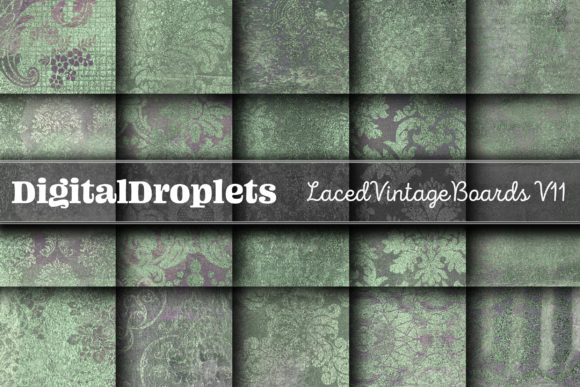
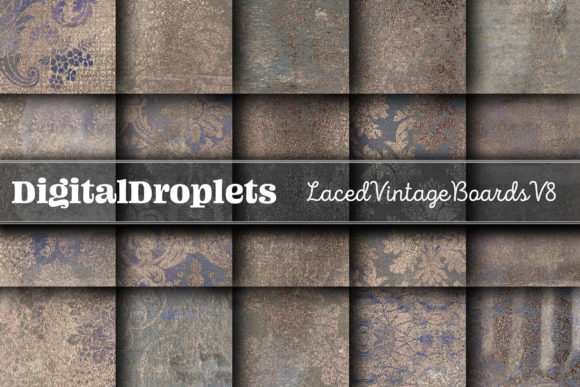
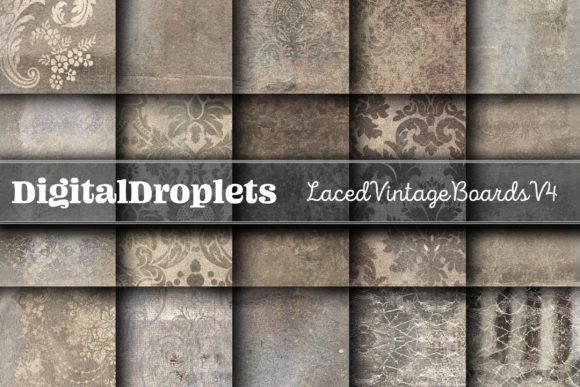
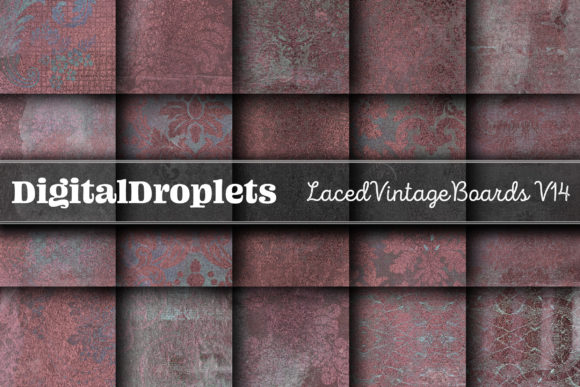
When you're building a visual project—whether it's a brand identity, a scrapbook page, or a social media campaign—the foundation matters. The Laced Vintage Boards Vol.14 | Collection offers a specific kind of foundation: a set of 10 distinct 12×12 digital papers. Each paper in this collection layers intricate lace and damask patterns over sturdy, textured cardboard backgrounds. The result isn't a flat, uniform surface; it's a digital asset with tangible depth and a palpable sense of history. This isn't about creating a sterile, modern look. It's about injecting warmth, character, and a narrative quality into your work right from the start.
The personality of these papers is decidedly nostalgic and artisanal. They evoke the feel of heirlooms, old letters, and carefully preserved craft materials. The style bridges the gap between rustic and refined—the roughness of the cardboard base is softened and elevated by the elegant overlay patterns. For designers and creators, this duality is a significant strength. It allows the assets to support projects that need to feel both grounded and sophisticated, personal yet polished. The visual appeal lies in this layered complexity; each paper feels discovered rather than designed, which can add a layer of authenticity to your final piece.
Practical Applications: Where These Papers Shine
Understanding the aesthetic is one thing; knowing where to apply it is where real value lies. The Laced Vintage Boards Vol.14 papers are incredibly versatile design assets. Their primary strength is as backgrounds, but their utility extends far beyond that simple function. For anyone working in scrapbooking—digital or hybrid—these provide instant, cohesive themes for photo albums, memory books, and heritage projects. The textures prevent pages from looking flat and add a tactile quality that engages the viewer.
Beyond traditional scrapbooking, consider these applications:
- Digital & Print Collateral: They work exceptionally well for creating unique cards, invitations, and tags. The patterns add enough visual interest to make a simple greeting card feel special without additional embellishment.
- Branding & Marketing: For businesses with a vintage, artisanal, or boutique aesthetic, these papers can become part of a cohesive brand identity. Use them as backgrounds for social media graphics, blog post images, or website sections to establish a specific mood. They can also inform the texture and feel of packaging design concepts.
- Content Creation & Publishing: Bloggers and publishers can use them to frame quotes, create section dividers, or design featured images. In editorial design, they can serve as subtle backgrounds for pull quotes or sidebar elements, adding depth without distracting from the main text.
- DIY & Craft Projects: The applications are practical and hands-on. Print them for junk journals, use them to create custom washi tape strips, design planner stickers, or even as unique gift wrap for small presents. For artists, they can be layered in digital collages or used as textures in mixed-media work.
The key is to match the paper's inherent character with your project's goal. It wouldn't suit a minimalist tech startup's website, but it's perfect for a boutique bakery's menu, a wedding photographer's branding, or a historian's digital archive.
Working With the Assets: Guidance for Your Workflow
Incorporating a new design asset into your process requires a bit of practical evaluation. Here’s how to approach the Laced Vintage Boards Vol.14 collection effectively.
Evaluating Project Fit: Before committing, ask: Does the project call for warmth, texture, and a vintage sensibility? If you're designing for a modern, clean, corporate audience, these papers likely aren't the right tool. But if you're aiming for a cozy, nostalgic, or handmade feel, they're an excellent choice. Their personality is strong, so let them be a supporting element, not a competing one.
Considering Readability and Hierarchy: The intricate patterns mean you must be mindful of text placement. Overlaying body copy directly on a busy section of the lace pattern will hurt readability. Use these papers strategically: place text on the less detailed cardboard areas, or use them as a border or frame. They are superb for creating visual hierarchy by setting a textured backdrop for cleaner, simpler foreground elements like a solid-color text box or a crisp, modern sans serif typeface.
Font Pairing and Stylistic Harmony: The vintage board papers pair best with font pairings that complement their era and texture. A classic serif font for body text maintains the traditional feel. For headings, a script font or a handwritten font can enhance the personal, artisanal quality. A clean, geometric sans serif font can also work well to provide modern contrast and ensure crisp legibility over the textured background. Avoid overly ornate or futuristic display fonts that might clash with the rustic elegance.
Licensing and Technical Details: The set includes 10 high-resolution 300dpi JPEG files in a standard 12×12 inch format, which is ideal for both print and high-quality digital use. Note that the listing shows a selection from a larger 20-paper collection. For commercial projects, always verify the specific license terms associated with your purchase to ensure they cover your intended use, whether for client work, products for sale, or personal projects. The quality and resolution are professional-grade, suitable for most creative font and design applications where texture is key.
Ultimately, the Laced Vintage Boards Vol.14 | Collection provides a specific, high-quality tool. Its value is in its ability to instantly convey a mood and a story. Used thoughtfully, it can elevate a project from simply informative to genuinely evocative.