Laced Ink Vintage Vol. 27: A Designer's Guide to Authentic Texture
There's a specific challenge in digital design that anyone who works with vintage aesthetics knows well: the struggle to avoid a sterile, "computer-generated" look. You want the warmth of aged paper, the complexity of mixed media, but you need the scalability and convenience of a digital file. This is precisely where the Laced Ink Vintage Vol. 27 | Collection steps in. It’s not just a set of backgrounds; it's a toolkit for adding genuine, tactile depth to your projects without spending hours in Photoshop trying to layer textures yourself.
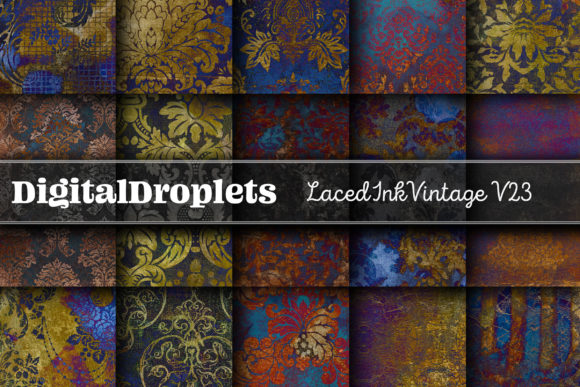
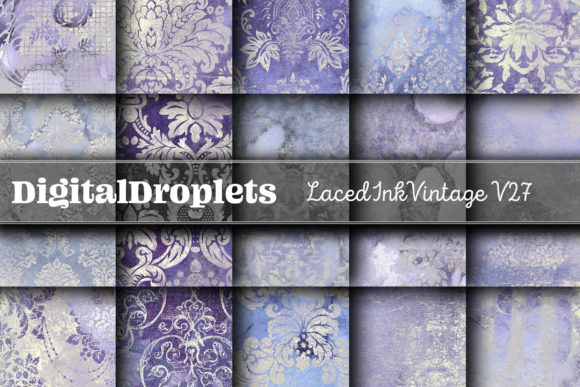
I’ve spent a lot of time working with digital assets, and what separates a good asset from a great one is nuance. This collection understands that. We are looking at ten 12x12 papers that combine three distinct elements: a cardboard base, intricate damask or lace overlays, and a blend of alcohol ink or watercolor textures. The result is a visual personality that feels nostalgic, intricate, and slightly imperfect in the best way possible. It has a "found object" quality that is incredibly difficult to manufacture from scratch.
Deconstructing the Visual Personality
When you open the Laced Ink Vintage Vol. 27 | Collection, the first thing you notice is the layering. The cardboard texture provides a neutral, earthy ground that feels organic and sturdy. On top of that, the lace patterns introduce a sense of elegance and history. But the real magic happens with the alcohol ink washes. These aren't flat colors; they are fluid, blooming stains that mimic the unpredictable nature of actual mixed-media art.
Each of the ten papers also features a subtle, unique border. This is a detail that often gets overlooked in standard texture packs, but it’s a massive time-saver for layout design. It frames your content naturally, giving you a built-in focal point. Whether you are working on a scrapbook page, a junk journal spread, or a digital photo album, these borders help guide the viewer's eye without needing additional graphical elements.
Practical Applications for Modern Creators
While the name suggests a focus on scrapbooking, the utility of the Laced Ink Vintage Vol. 27 | Collection extends far beyond that niche. In my experience, textures like these are essential for creating high-quality design assets that sell or engage. Here is how different creative professionals can leverage this set:
- For Graphic Designers & Brand Strategists: If you are building a brand identity for a boutique, a bakery, or a heritage brand, these textures are gold. Use them as background layers for logo design presentations to show clients how the mark looks in a real-world context. They also work beautifully for packaging design, specifically for box inserts or product tags where a handmade feel is a selling point.
- For Bloggers & Content Creators: In the world of web design and social media graphics, flat colors can sometimes feel cold. These vintage papers add warmth. Use them as backgrounds for Pinterest pins or Instagram quote cards. The high-resolution 300dpi ensures they look crisp even on retina displays, making them excellent for blog design headers or featured images.
- For Print & Editorial Design: If you are working on a magazine layout, a book cover, or an invitation suite, texture is vital for visual hierarchy. A textured background separates the foreground elements from the page, adding depth. The Laced Ink Vintage Vol. 27 papers are particularly effective for "Wanted" posters, vintage event invitations, or editorial design that requires a historical aesthetic.
- For Crafters & Hobbyists: Obviously, the application here is direct. Print these out for junk journals, use them as washi tape strips (by printing on sticker paper), or create custom envelopes. The cardboard texture is robust enough to hold up to physical cutting and pasting.
Integrating Texture into Your Design Workflow
Using a premium font or asset effectively requires more than just dropping it onto a canvas. It requires strategy. When incorporating the Laced Ink Vintage Vol. 27 | Collection into your workflow, consider the following practical advice to maximize readability and professionalism:
Typography Pairing is Key: Because these backgrounds are visually complex—featuring lace, cardboard grain, and ink stains—you need to be careful with your typography. Avoid using a script font or a highly detailed serif font that might get lost in the texture. Instead, pair these backgrounds with clean, bold sans serif fonts. A modern, geometric sans-serif will create a beautiful contrast between the vintage background and the contemporary text, ensuring high readability. If you want to maintain the vintage vibe, use a sturdy, wide serif font with plenty of whitespace.
Opacity and Blending Modes: Don't feel restricted to using these papers at 100% opacity. In digital design, you can lower the opacity of the Laced Ink texture to create a subtle watermark effect, which is perfect for photography backdrops or home decor mockups. Alternatively, try using "Multiply" or "Overlay" blending modes in your software to merge the texture with solid color blocks, creating unique color variations that match your specific palette.
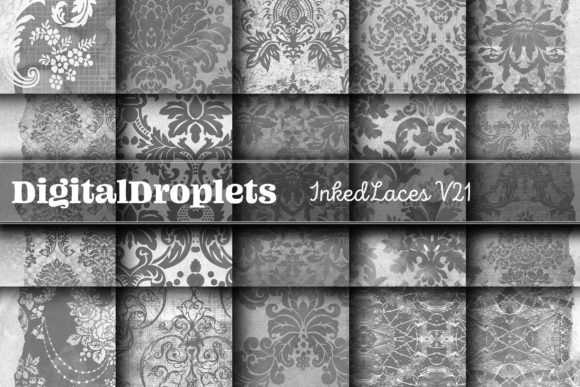
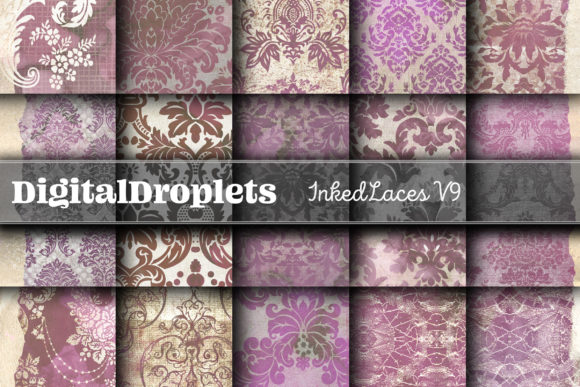
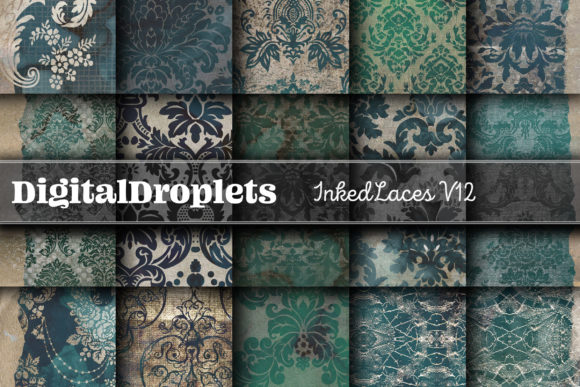
Commercial Use and Consistency: For small business owners, consistency is everything. If you use these textures for your marketing materials, ensure you apply them uniformly across all touchpoints—from your website to your printed flyers. Note that this set is part of a larger 20-paper collection. If you find you love the style, checking out the variations in the shop ensures you can maintain a cohesive look across a long-term campaign without repeating the exact same background too often.
Evaluating Project Fit and Quality
When assessing if the Laced Ink Vintage Vol. 27 fits your project, look at the "mood" you are trying to evoke. This collection leans heavily into nostalgia, romance, and organic warmth. It is ideal for projects that want to feel human and handcrafted. It might not be the best fit for ultra-modern, tech-focused, or minimalist corporate branding, but for everything else, it offers a distinct advantage.
The files are provided as high-resolution JPEGs, which is the industry standard for broad compatibility. Whether you are using Adobe Photoshop, Illustrator, Canva, Procreate, or even Microsoft Word, these files will import seamlessly. The 12x12 inch size is the standard for scrapbooking, but don't let that limit you. Because of the 300dpi quality, you can scale them down significantly for planner stickers or tags without losing quality, and you can crop them into various shapes for frames and cards.
Ultimately, the Laced Ink Vintage Vol. 27 | Collection serves as a bridge between the raw, imperfect beauty of physical art and the precision of digital modern typography. It provides a canvas that tells a story before you even add your own text. For designers, marketers, and creators looking to add a layer of sophistication and history to their work, this set offers a practical, versatile, and visually rich solution.