Boho Geom Papers Vol. 1 | Collection: A Designer's Guide
When you're building a brand or a creative project, the foundation matters. It’s not just about the main elements you put on top; it’s about the texture, the feel, and the story the background tells. That’s where a resource like the Boho Geom Papers Vol. 1 | Collection comes into play. This isn’t just a set of patterns; it’s a toolkit for creating depth and personality in your work. As someone who has spent years navigating the balance between trend and timelessness, I find that collections like this one offer a rare blend of contemporary style and versatile utility.
The Visual DNA: Foggy Textures Meet Sharp Geometry
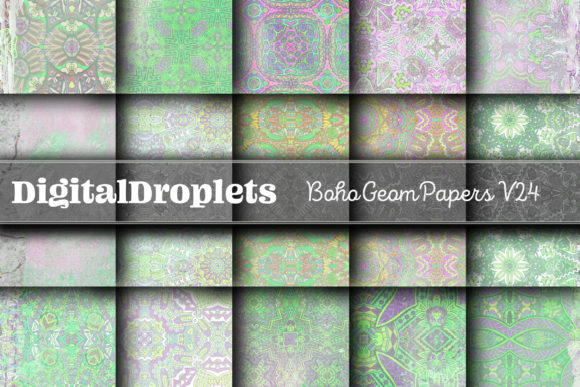
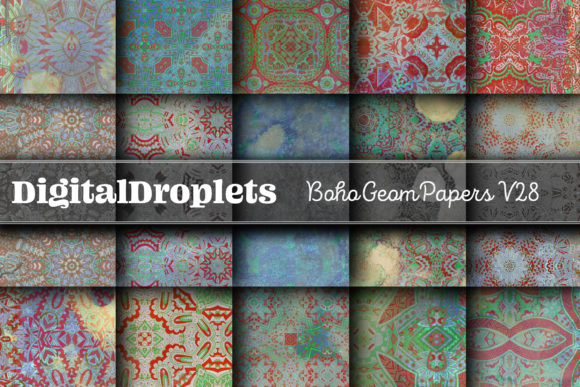
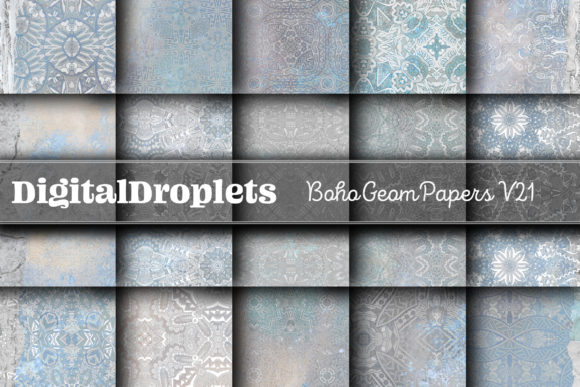
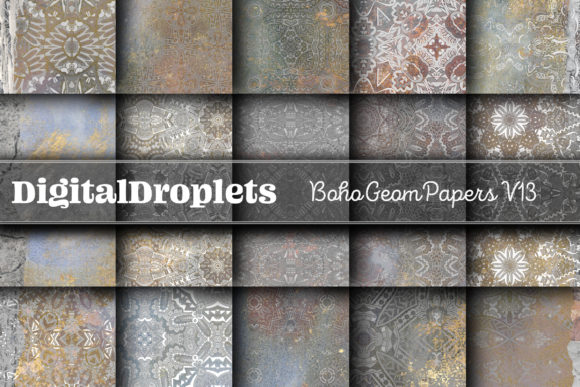
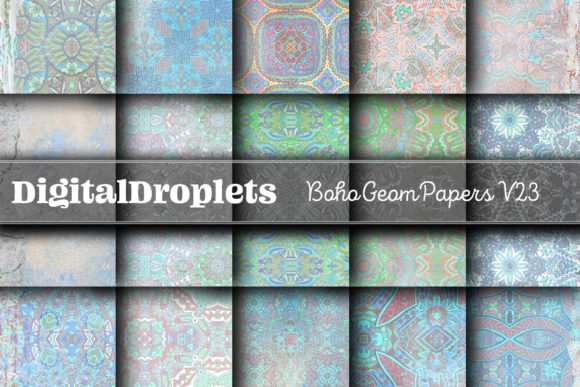
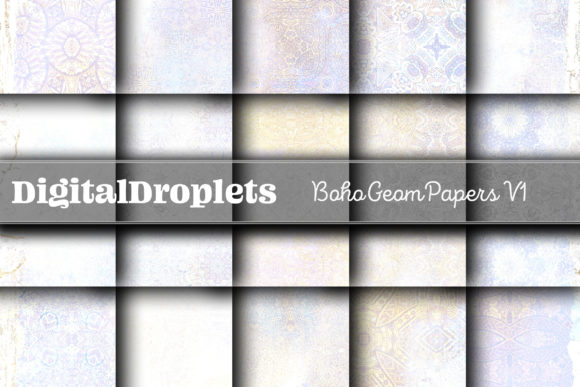
At its core, the Boho Geom Papers Vol. 1 | Collection is a study in contrasts. It pairs the precision of geometric mandala-style patterns with the organic, unpredictable nature of foggy alcohol ink and watercolor textures. This creates a visual tension that is incredibly appealing in modern graphic design. You aren’t getting a flat, digital-looking grid; you are getting depth. The watercolor bleeds and alcohol ink blooms soften the hard edges of the geometry, making the designs feel handmade and warm.
What sets this specific 12x12 paper set apart is the attention to the border details. Each of the ten papers features a unique perimeter—some mimicking the grain of wood, others the rugged feel of stone. This specific detail is often missing from standard digital paper packs. It means you can use these papers for framing elements or creating die-cut shapes without needing to add extra effects to make the edges look realistic. The Boho Geom Papers Vol. 1 | Collection essentially does the heavy lifting of texture mapping for you.
Practical Applications for Branding and Marketing
For entrepreneurs and small business owners, the versatility of these assets is a major advantage. In brand identity work, consistency is key, but so is variety. You need materials that can adapt to different contexts—social media, packaging, and print collateral—without losing the core vibe of the brand.
Here is how I would practically apply this collection in a professional setting:
- Social Media Graphics: The "boho" aesthetic is dominant on platforms like Instagram and Pinterest. These papers work exceptionally well as backgrounds for quote cards or promotional announcements. Because the patterns are geometric, they provide enough visual interest to stop the scroll, but the foggy texture ensures that overlaid text remains legible.
- Editorial and Blog Design: If you run a lifestyle blog or an online magazine, these papers can serve as section dividers or featured image backgrounds. They add a layer of premium design that elevates the reader's experience.
- Packaging Design: Imagine these textures on the belly band of a candle box or the wrapping paper for a jewelry brand. The wood and stone border textures translate beautifully into packaging design, giving products an earthy, grounded feel.
- Digital Products: If you create planner stickers or digital invitations, this collection is a goldmine. The Boho Geom Papers Vol. 1 | Collection provides a cohesive look that makes a product suite feel professional and curated.
Integrating with Existing Design Assets
One of the most common challenges designers face is mixing and matching assets. A premium font or a specific graphic set might look great on its own, but clash when introduced to a new project. The Boho Geom Papers Vol. 1 | Collection solves this by offering a bridge between different styles.
According to the creator, these papers pair seamlessly with the "Boho Geo Papers Collection." This is a strategic advantage. It means you can scale the geometric patterns up or down depending on the project's needs. For instance, you might use the larger scale patterns from Vol. 1 for a background poster, and the smaller layout patterns from the companion set for matching business cards or envelope liners.
When it comes to typography, this collection acts as a fantastic neutral ground for a variety of typefaces. The organic nature of the ink textures pairs surprisingly well with clean, sans serif fonts—think modern minimalism with a twist. However, they also complement script fonts and handwritten fonts beautifully, reinforcing that personal, artisanal feel that is central to the boho aesthetic. I would recommend testing your font pairing choices against these backgrounds early in the design process to ensure your hierarchy holds up against the intricate patterns.
Technical Specifications and Usability
From a production standpoint, the technical specs of the Boho Geom Papers Vol. 1 | Collection are solid. The files are high-resolution JPEGs (300dpi), which is the industry standard for print-ready design assets. Whether you are printing at home or sending files to a professional printer, you won't lose quality.
The 12x12 inch format is the standard for digital scrapbooking, but don't let that limit your thinking. In web design and digital marketing, you can easily crop these papers to fit Instagram Stories, Facebook headers, or website banners. Because the textures are abstract and fluid, you can crop into them from any angle without the composition looking "cut off."
Evaluating Project Fit and Commercial Use
Before incorporating any asset into a commercial project, it is vital to understand the licensing and the visual fit. While I always advise checking the specific terms provided by the seller, collections like this are typically designed for both personal and commercial use, which is essential for entrepreneurs and marketers.
When evaluating if the Boho Geom Papers Vol. 1 | Collection fits your project, consider the emotional resonance. This collection evokes a sense of calm, creativity, and connection to nature. It is perfect for brands in the wellness, lifestyle, travel, or creative education sectors. It might feel out of place for highly corporate, rigid industries like law or finance, but for anything requiring a human touch, it is a strong contender.
Ultimately, this collection offers a practical, high-quality solution for adding texture and style to a wide range of projects. It bridges the gap between digital precision and organic artistry, making it a valuable addition to any designer's library.